Welcome to Pywel
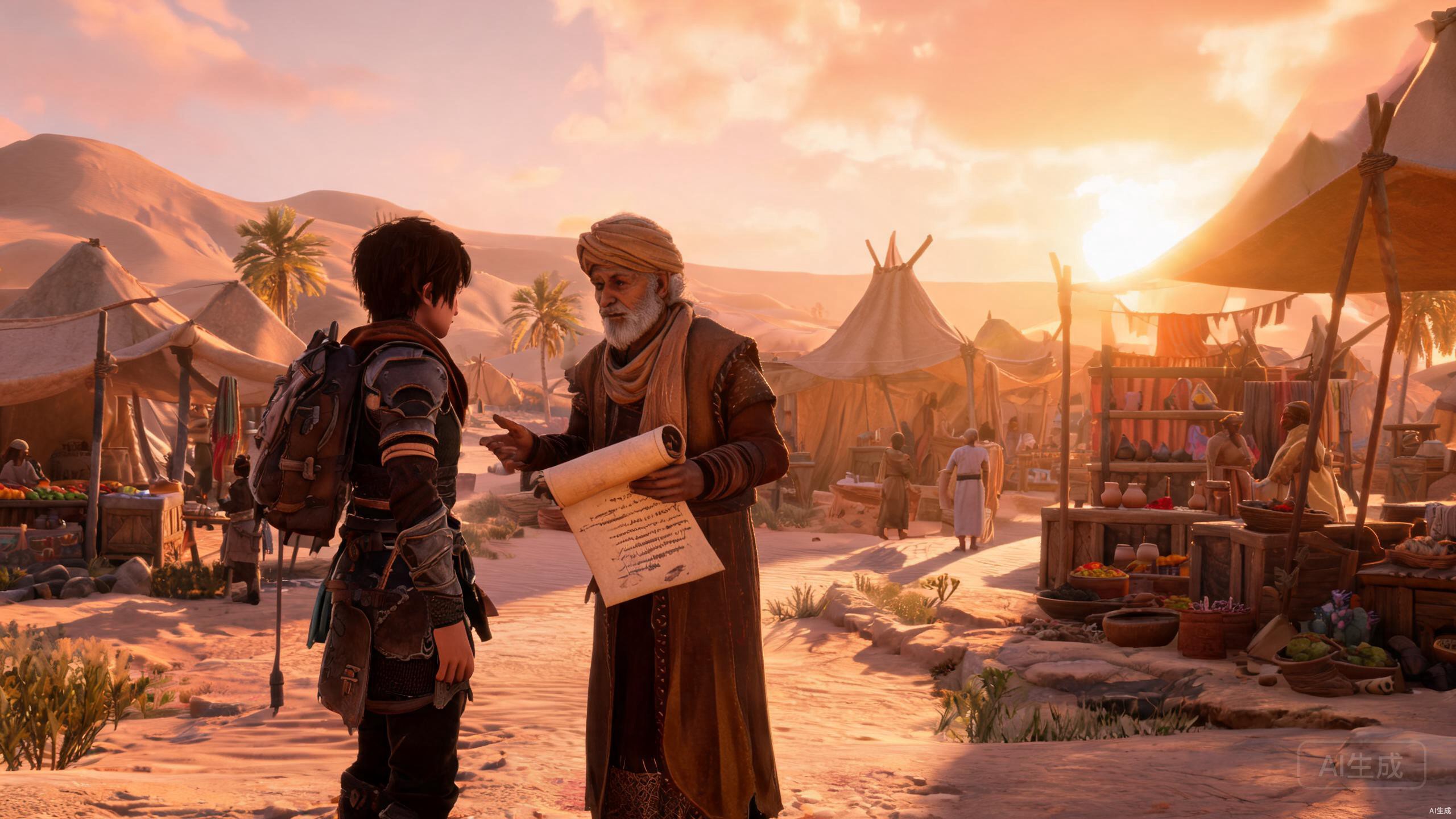
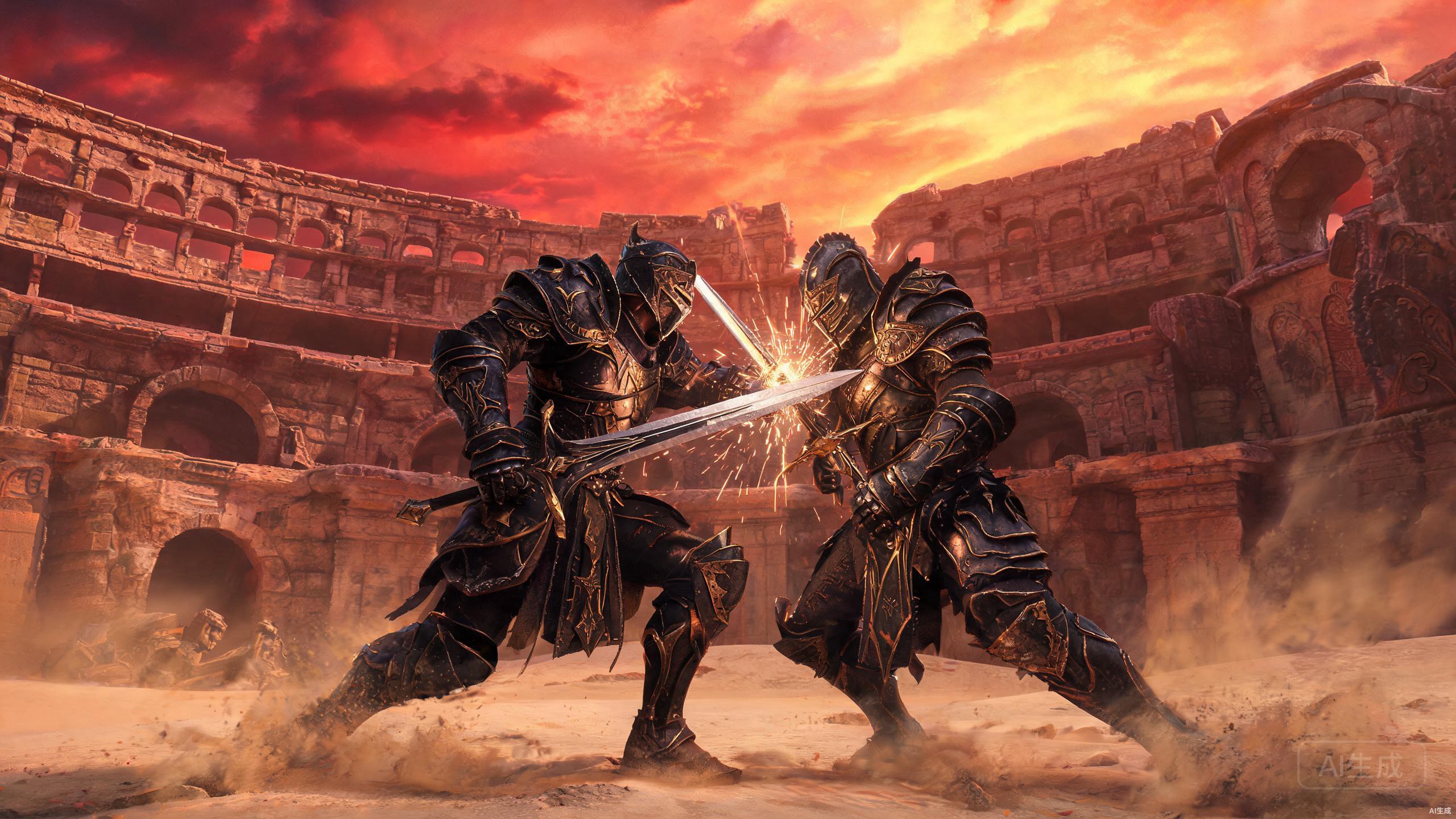
Crimson Desert is an ambitious open-world action RPG from Pearl Abyss, the studio behind Black Desert Online. Set in the vast continent of Pywel, the game launched in 2026 to critical acclaim for its stunning visuals, deep combat system, and immersive storytelling.
You step into the boots of Kliff, the battle-hardened leader of the Greymane mercenary company. Haunted by a mysterious past and driven by a relentless pursuit of honor, Kliff must navigate a land torn apart by warring factions, ancient curses, and political intrigue. As a mercenary, your choices shape the world — alliances forged in one chapter may come back to help or haunt you in the next.
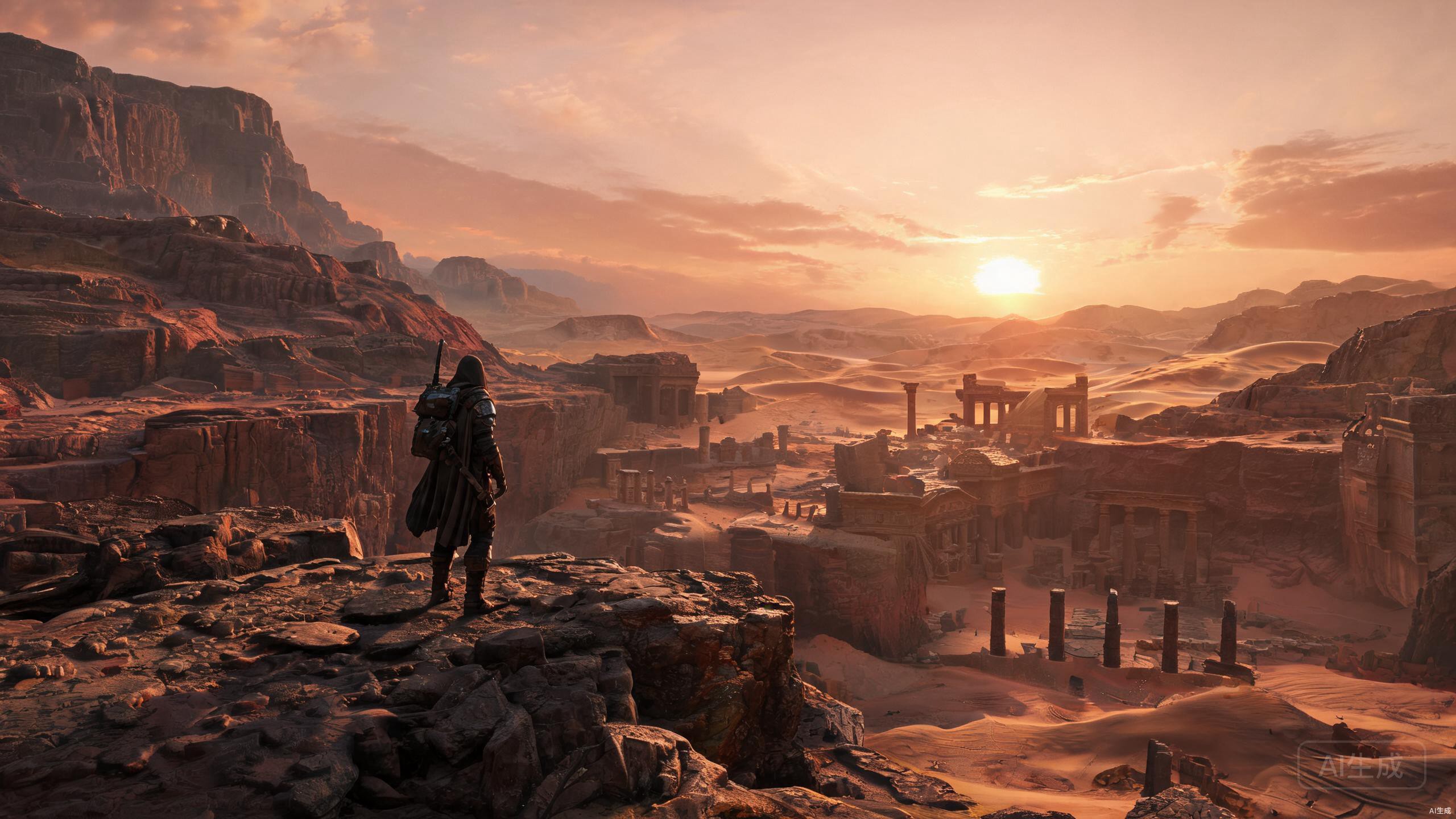
The world of Pywel is massive and unforgiving. From the scorching deserts of the south to the frozen peaks of the north, every region is packed with hidden secrets, challenging enemies, and stories waiting to be uncovered. This guide is your companion for the first 20 hours — the critical window where most new players either find their footing or get overwhelmed.
The Three Playable Characters
Crimson Desert offers three distinct playable characters, each bringing a unique combat style and narrative perspective to the game. You'll start with Kliff, but the roster expands as you progress through the main story.
| Character | Unlock | Style | Best For |
|---|---|---|---|
| Kliff | Starter | Balanced Swordsman | All-around combat, parry-focused play, beginners |
| Damiane | Chapter 3 | Agile Duelist | Speed-based combat, dodge mastery, crowd control |
| Oongka | Chapter 7 | Heavy Warrior | High damage, tanking, breaking enemy shields |
Kliff is the ideal starting character — his balanced stats and forgiving parry window make him perfect for learning the game's rhythms. Damiane, unlocked in Chapter 3, trades raw power for incredible speed and mobility, excelling at hit-and-run tactics. Oongka joins your roster in Chapter 7 as a powerhouse who can absorb punishment and shatter enemy defenses with devastating charged attacks.
First Steps in Hernand
The city of Hernand serves as your first major hub after the prologue. It's easy to get lost in side content, but following a structured approach here will save you hours of backtracking later.
Your priority should be pushing the main story questline until you unlock the Greymane Camp — this happens roughly 90 minutes into the game and is the single most important early-game unlock. The camp is your permanent home base, and every minute you spend without it is a minute of missed progression.
Once the camp is unlocked, take a lap around Hernand to locate these essential NPCs and stations:
- Blacksmith — Located in the eastern market district. This is where you'll upgrade and repair your gear. Mark it on your map.
- General Shop — Sells basic consumables, crafting materials, and cooking ingredients. The shopkeeper also buys nearly everything, making this your primary income source early on.
- Cooking Station — Found near the central plaza. Cooking is your primary healing source in Crimson Desert, so locate this early.
- Stablemaster — On the western edge of town. You'll need this NPC to get your first horse (see Section 7).
- Side Quests — Look for NPCs with green exclamation marks. Hernand offers 6-8 side quests that reward gold, materials, and contribution points. Do them all before moving on.
Setting Up Greymane Camp
The Greymane Camp is more than just a place to sleep — it's your core operational hub for the entire game. Every major system flows through it, and investing in camp upgrades early pays dividends for the rest of your playthrough.
Here's what the camp enables and how to prioritize your first upgrades:
- Rest & Recovery — Sleeping at the camp fully restores your HP and stamina. It also advances the in-game clock, which affects NPC schedules and quest availability.
- Cooking Station — Upgrade this first. An upgraded cooking station lets you prepare higher-quality meals that provide stronger buffs and heal more HP.
- Mercenary Management — Assign mercenaries to gather resources, complete missions, or guard the camp. Each mercenary has unique stats and specializations.
- Facility Upgrades — The camp has six upgradeable facilities: Cooking Station, Blacksmith Anvil, Stable, Storage Chest, Training Grounds, and Watchtower. Prioritize Cooking Station and Storage Chest first.
- Fast Travel — Once your camp is established, you can fast travel to it from any discovered bell tower. This makes it your central hub for gear management, cooking, and quest turn-ins.
Cook all raw meat immediately — cooked food stacks higher and sells for more gold than raw ingredients.
Blacksmith & Gear Refinement
The blacksmith is your most important NPC in the early game. Gear upgrades in Crimson Desert follow a tiered refinement system where each weapon and armor piece can be leveled up using specific materials.
Early on, your primary focus should be upgrading your main weapon to Level 4. This single upgrade provides a dramatic damage increase — roughly 40% more damage compared to a Level 1 weapon — and makes every combat encounter significantly easier. Spreading your upgrade materials across multiple weapons is a common beginner mistake that leaves you underpowered.
The refinement system works as follows:
- Level 1-2 — Requires Iron Ore and Leather Scraps. These are abundant, so upgrade immediately.
- Level 3-4 — Requires Steel Ingots and Hardened Leather. Farm these from enemy drops in the Hernand Outskirts.
- Level 5+ — Requires rare materials like Obsidian Shards and Dragon Scales. Save these for mid-game weapons.
Fishing
Fishing is one of the most overlooked activities by new players, yet it's a cornerstone of the early-game economy. Every body of water in Pywel — from rivers and lakes to coastal shores — contains fish that can be caught, cooked, and sold.
You can obtain a fishing rod from the general shop in Hernand for a small sum of gold. Once equipped, approach any body of water and cast your line. The fishing minigame is straightforward: watch the bobber, and when it dips, press the interact button to reel in your catch.
The key to profitable fishing is processing: clean your fish into fillets before cooking. Raw fish sell for roughly 10-15 gold each, but fillets sell for 25-30 gold, and cooked fish dishes sell for 50+ gold depending on the recipe. This simple processing chain multiplies the value of every fish you catch.
Different fish species are active at different times of day. Dawn and dusk are peak fishing hours for rare species. If you're targeting a specific fish for a recipe, check your in-game journal for active hours.
Getting Your Horse
The world of Pywel is enormous, and walking everywhere is not a viable long-term strategy. Your first horse is obtained through the stablemaster in Hernand after completing a short quest chain that becomes available around the time you unlock the Greymane Camp.
The stablemaster's quest involves taming a wild horse in the Hernand Plains — a straightforward but memorable sequence that teaches you the basics of mounted movement. Once you have your horse, you can call it from anywhere in the overworld using the whistle command.
When it comes to horse upgrades, prioritize stamina over speed. A horse with high stamina can gallop for extended periods without stopping, which dramatically reduces travel time across the map. Speed upgrades are nice but secondary — you'll cover more ground faster with a horse that rarely needs to rest than with a faster horse that tires quickly.
Combat Fundamentals
Crimson Desert's combat is deep and rewarding, but the basics are easy to grasp. Mastering these core controls is your first step toward becoming a capable fighter.
| Action | Input | Description |
|---|---|---|
| Light Attack | R1 |
Quick slash with low stamina cost. Use for sustained damage and combo building. |
| Heavy Attack | R2 |
Powerful strike with high stamina cost. Excellent for breaking enemy shields and staggering foes. |
| Block | Hold L1 |
Reduces incoming damage by 60%. Essential for surviving heavy hits and learning enemy patterns. |
| Dodge | Circle |
Roll to avoid damage. Consumes stamina. Can be timed perfectly for a Perfect Dodge. |
| Parry | L1 (timed) |
Press L1 right before an enemy attack lands to deflect and stagger them. High risk, high reward. |
Spend your first few hours getting comfortable with these controls. Practice against the wolves and bandits in the Hernand Plains — they're forgiving enough for experimentation but threatening enough to teach you respect for enemy attacks.
Stamina Management
Stamina is the most important resource in Crimson Desert's combat system. Every attack, dodge, and block consumes stamina, and managing this green bar effectively separates skilled players from the rest.
The golden rule of stamina management: never let your bar deplete completely. If your stamina reaches zero, you enter an "exhausted" state for 3 seconds during which you cannot attack, dodge, or block. This is almost always fatal in serious combat.
Key stamina mechanics to master:
- Perfect Dodge — Dodging with precise timing refunds a portion of the stamina cost. This is the single most important mechanic for sustainable combat.
- Aerial Maneuver — Unlocked at 200 stamina. This powerful evasive move lets you leap over attacks and counter from above. Prioritize leveling your stamina to 200 for this unlock.
- Stamina Recovery Rate — Can be improved through skill tree investments and certain cooked meals. Faster recovery means more aggressive play.
Stamina depletion is the most common cause of death for new players. Always keep at least 20% stamina in reserve for emergency dodges. If you see your bar dipping below 30%, stop attacking and create distance.
Exploration & Bell Towers
Crimson Desert's map is initially covered in fog of war, obscuring points of interest, enemy camps, and hidden treasures. The key to clearing the map lies in the eight Bell Towers scattered across Pywel — ancient structures that serve as both map-revealing landmarks and fast travel points.
When you discover a Bell Tower, interact with the bell at its summit to ring it. This clears the fog of war for the entire surrounding region, revealing all marked locations. It also unlocks the tower as a fast travel point, allowing you to teleport back at any time from your map screen.
Finding all eight Bell Towers is one of the most impactful things you can do in the early game. Each tower is cleverly hidden — some require climbing puzzles, others are guarded by mini-bosses, and a few are only accessible after completing specific quest chains. Use your map to spot the distinctive tower icons once you're in the general vicinity.
Camp Management System
As you recruit more mercenaries to the Greymane company, the camp management system becomes increasingly important. Each mercenary can be assigned to specific tasks that generate passive income, gather resources, or provide combat bonuses.
The camp management interface is accessed from the central command table in your camp. Key systems include:
- Mercenary Tasks — Assign mercenaries to gather specific resources (ore, herbs, leather), earn gold through trade runs, or train to improve their stats. Higher-level mercenaries complete tasks faster and yield better rewards.
- Facility Upgrades — Each facility (Cooking Station, Blacksmith Anvil, Stable, Storage Chest, Training Grounds, Watchtower) can be upgraded three times. Upgrades require gold and specific materials.
- Defense Rating — Your camp's defense rating determines how well it withstands random enemy raids. Upgrade the Watchtower and assign strong mercenaries to guard duty to improve this.
- Mercenary Loyalty — Mercenaries gain loyalty when you complete their personal quests or give them gifts. High loyalty mercenaries perform tasks 25% faster.
Early Skills & Abyss Artifacts
The skill tree in Crimson Desert is vast, and your early choices have a significant impact on your combat effectiveness. With limited skill points in the first 20 hours, you need to prioritize wisely.
Here is the recommended skill tree priority for new players:
- Stamina Recovery — Faster stamina regeneration means more attacks and dodges. This is your number one priority.
- Dodge i-Frames — Extends the invincibility window during your dodge roll. Makes Perfect Dodges significantly easier to execute.
- Parry Counter Damage — Increases the damage of your riposte after a successful parry. Turns defense into offense.
- Combo Finisher — Adds a powerful finishing strike at the end of your light attack chain. Great for dealing burst damage during openings.
Abyss Artifacts are special items you'll find scattered throughout the world — often in hidden chests behind waterfalls or at the end of jumping puzzles. These artifacts provide passive bonuses that can dramatically change your playstyle. Equip them from the artifact menu, and experiment with different combinations to find what works for your build.
Cooking Basics
Unlike many action RPGs where healing potions are your primary recovery tool, Crimson Desert puts cooking at the center of its healing and buff system. Cooked meals provide both immediate HP restoration and temporary stat buffs, making them essential for every serious encounter.
You can cook at any cooking station — either in Hernand's central plaza or at your own camp (once upgraded). The cooking interface shows available recipes based on the ingredients in your inventory. Experiment with different ingredient combinations to discover new recipes, or find recipe scrolls throughout the world.
Before any boss fight, make sure you have at least 50 cooked food items in your inventory. Boss fights can last 10-15 minutes, and you'll burn through healing items quickly. Running out of food mid-fight is a guaranteed trip back to the checkpoint.
Cook all raw meat immediately — cooked food stacks higher and sells for more gold than raw ingredients.
Money-Making Tips
Gold is tight in the early hours of Crimson Desert. Gear upgrades, cooking ingredients, and horse equipment all cost money, and without a steady income you'll quickly fall behind the difficulty curve. Here are the most effective ways to build your wallet:
- Side Quests — Every side quest in Hernand and the surrounding areas rewards gold. Some also grant valuable materials. Do every side quest you can find before progressing the main story.
- Sell Excess Cooked Food — Cooked meals sell for significantly more than their raw ingredients. If you have more than 50 food items, sell the excess for a tidy profit.
- Sell Fillets — Clean fish into fillets and sell them directly to the general shop. Fillets are lightweight, stack easily, and sell for 25-30 gold each.
- Pick Up All Loot — Every enemy drops something. Even common materials like Iron Ore and Leather Scraps can be sold in bulk. Don't leave anything on the ground — it all adds up.
- Camp Mercenary Trade Runs — Once your camp is established, assign high-level mercenaries to trade runs. These generate passive gold while you're out adventuring.
Inventory Management
Inventory management is a constant concern in Crimson Desert. Your carrying capacity is limited, and exceeding it imposes a movement speed penalty that makes exploration and combat significantly harder. Developing good inventory habits early prevents constant frustration.
Essential inventory management rules:
- Sell Regularly — Visit the general shop every time you return to Hernand. Sell anything you don't have an immediate use for. Hoarding is the enemy of mobility.
- Store Valuables at Camp — Upgrade your camp's Storage Chest and use it to stash rare crafting materials, quest items, and backup gear. Only carry what you need for your current objective.
- Cook Raw Ingredients — Raw meat, fish, and herbs weigh a lot. Cooking them into meals reduces their weight and increases their value. Never let raw ingredients pile up in your inventory.
- Save Keys — Locked doors and chests require specific keys. These keys are rare and often one-time use. Save them for doors that can't be bypassed — many locked doors have windows you can climb through instead.